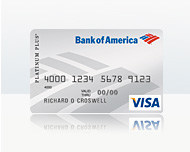
| | | | [h3]Card at a glance[/h3] | | | | | |
| |
| Who it′s for: | Individuals interested in building or improving their credit | | Annual Fee: | $29[sup]†[/sup] | | Standard APR: | 14.24% Variable APR[sup]†[/sup]
Standard APR applies to purchases and balance transfers. See Terms and Conditions for Standard APR for cash advances. | | Balance Transfer fee: | 4% of each transfer (Min $10, Max $90)[sup]†[/sup] |
† Please see Terms and Conditions for rate, fee, and other cost information. All terms, including the APRs and fees, are subject to change at any time, for any reason, in accordance with the Credit Card Agreement and applicable law.
| |
[h3]How Secured Card works[/h3]
- Helps you establish a credit history that will benefit you now and in the future.
- You deposit anywhere from $300 up to $10,000 into a Bank of America security deposit account. Your credit line will directly reflect the amount of your deposit.
- Then make purchases with your card up to the amount you have in your security deposit account.
- Pay at least the minimum payment before the due date each month. Paying off your credit card balance in full each month instead of carrying a balance may help. Your security deposit does not cover minimum payments.
- Based on your credit and payment history with your secured card, you may qualify for an unsecured card at a later date.
|
|
|
http://www.credit.com/products/credit_cards/secure.jsp
questions before getting a secured credit card
By Pat Curry • Bankrate.com
Credit cards are a fact of life.
You need one to make a hotel or plane reservation, or to rent a car, even if you plan to pay cash. Many stores require a credit card to accept your check. Responsible use of a credit card builds a good credit rating, too, marking the owner as mortgage-worthy.
But people who have never had credit or need to repair a poor credit history may not qualify for a regular credit card. For them, a secured credit card may be the only way to establish, or re-establish, credit.
10 questions to ask about secured credit cards:
- What is a secured credit card?
- Where can I get a secured credit card?
- What kind of charges will there be?
- How much money do I have to deposit?
- Do all banks offer secured credit cards?
- Are there any problems to watch out for?
- Do you report to all three major credit bureaus?
- How long does it take to qualify for an unsecured card?
- How much interest will my deposit earn?
- How can I make the best use of a secured card to build my credit rating?
If you're in that boat, here are the answers to the top 10 questions about secured credit cards.
1. What is a secured credit card?
A secured card requires a cash collateral deposit that becomes the credit line for that account. For example, if you put $500 in the account; you can charge up to $500. You may be able to add to the deposit to add more credit, or sometimes a bank will reward you for good payment and add to your credit line without requesting additional deposits.
2. Where can I get a secured credit card?
Check Bankrate.com's list of secured credit card issuers. If you're a credit union member, ask about a secured card there. About half of the nation's credit unions offer secured cards to their members and may offer lower interest rates and waive annual fees.
3. What kind of charges will there be?
This is where it pays to shop around. Look for a card that doesn't charge an application fee. Every secured card charges an annual fee, and they vary dramatically. Read the fine print. Some people have gotten secured cards and found their entire limit consumed with fees before they ever used the card.
4. How much money do I have to deposit?
Again, the amount will vary by the card. Most are $300 to $500. Your credit limit will either be the amount of your deposit or some percentage above that amount.
advertisement
replacecontent-tcm:8-21887
5. Do all banks offer secured credit cards ?
No. Linda Sherry, editorial director of Consumer Action, says her organization is seeing a trend in banking away from secured cards and toward unsecured cards with lower limits and higher interest rates and fees. Still, secured cards are a good choice -- and sometimes the only option -- for people who are just starting out or rebuilding after a major life event, such as a divorce, job loss or serious illness. In addition, some issuers only give secured cards to people who are new to credit -- not those who have already had one crack and blown it.
6. Are there any problems to watch out for?
Yes. Howard Dvorkin, president of Consolidated Credit Counseling Services Inc. in Fort Lauderdale, Fla., a nonprofit organization that helps people get out of debt, calls secured credit cards "a Clint Eastwood movie -- the good, the bad and the ugly. Some are good. They have low fees and treat customers as customers instead of as cattle. The bad ones take advantage and extort the clients because of their situations. Then there's the ugly, which are completely despicable. They'll give you the card, but you have to buy this insurance policy for $55 a month."
The Federal Trade Commission organized a crackdown on telemarketers illegally charging fees that range from $25 to several hundred dollars in advance of receiving "guaranteed" credit cards or loans. Consumers either got nothing or were just sent credit card applications.
Gather plenty of information when you apply for a card. In addition to such important items as the interest rates, fees and the required deposit, you'll want to get answers to these questions:
7. Do you report to all three major credit bureaus?
The reason for having a secured card goes far beyond being able to buy CDs online. It's a vehicle for building a good credit history. If the issuer doesn't report, you've lost a major benefit. (Tip: If you start getting mailers offering you unsecured cards after you've made several months of payments on time, you'll know that the bank is reporting.) Ask if the issuer will flag the report to the credit bureaus as a secured card. Consumer Action points out that such a flag could be a deterrent to rebuilding credit.
8. How long does it take to qualify for an unsecured card?
The card issuer should want to keep you as a customer, so most will qualify you for an unsecured card after a period of making all your payments on time. The average is about a year.
9. How much interest will my deposit earn, and what kind of account does the deposit have to be in?
Generally, you'll be getting about what you'd get if you opened a savings account at your own bank. The deposit options include a savings account, money market or certificate of deposit. Also, ask how long the money has to stay on deposit after the account is closed. Some banks will want to keep the deposit for a couple of billing cycles to cover any stray charges that arrive.
10. How can I make the best use of a secured card to build my credit rating?
Buy a few things and pay off the card every month. "People should not get these cards to carry any balance," Sherry says. "It seems you need to make a few purchases and pay for them. It helps to pay in full every month to show you've got this excellent credit rating."
While secured cards make sure you never spend more money than you can afford while they force you to save, it's not a good idea to keep one any longer than you have to, experts say.
All secured cards have annual fees and higher interest rates than regular, unsecured cards. If you have enough discipline to use a secured card responsibly, you have enough to use an unsecured card and set up a better savings program on your own.
"We recommend to people that it should be a stepping stone," Sherry says.
| | |


![URL]](/proxy.php?image=http%3A%2F%2F%5BURL%5Dhttp%3A%2F%2Fwww1.bankofamerica.com%2Fcreditcards%2Feproducts%2Fimages%2Fapply_now.gif%5B%2FURL%5D&hash=a7200e98fc2b21813cdd602575c9ec36)